_topic_
_question_
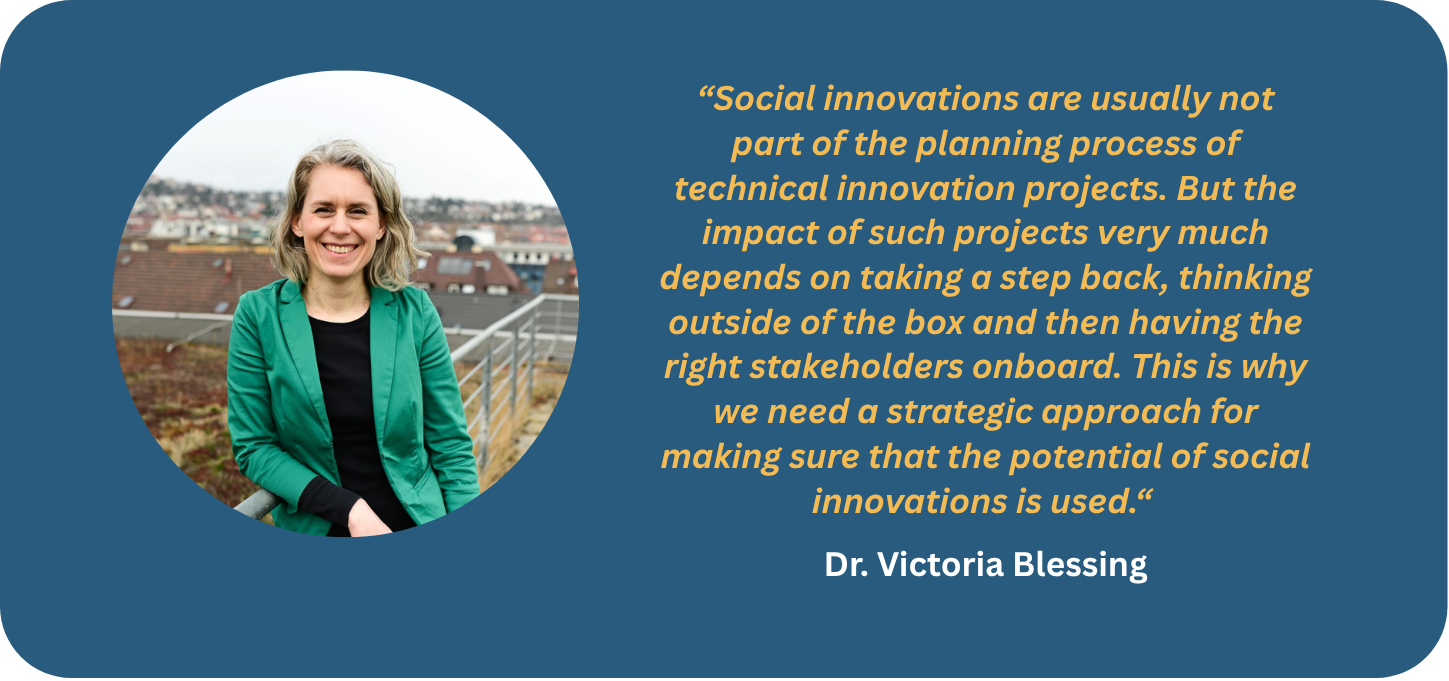
The interview with Dr. Victoria Blessing from Steinbeis Europa Zentrum explains the importance of social innovations for adapting the built environment to climate change, describes the integration of existing social innovations into the MULTICLIMACT project using a four-stage process and provides examples from various demonstrators, with a focus on the involvement of diverse stakeholders and sustainable implementation, as well as offering practical advice on applying this approach in similar contexts.
Victoria, you have worked on social innovations for many years and are now leading this work in MULTICLIMACT. Why are social innovations relevant when we speak about climate adaptation in the built environment?
Dr. Victoria Blessing:
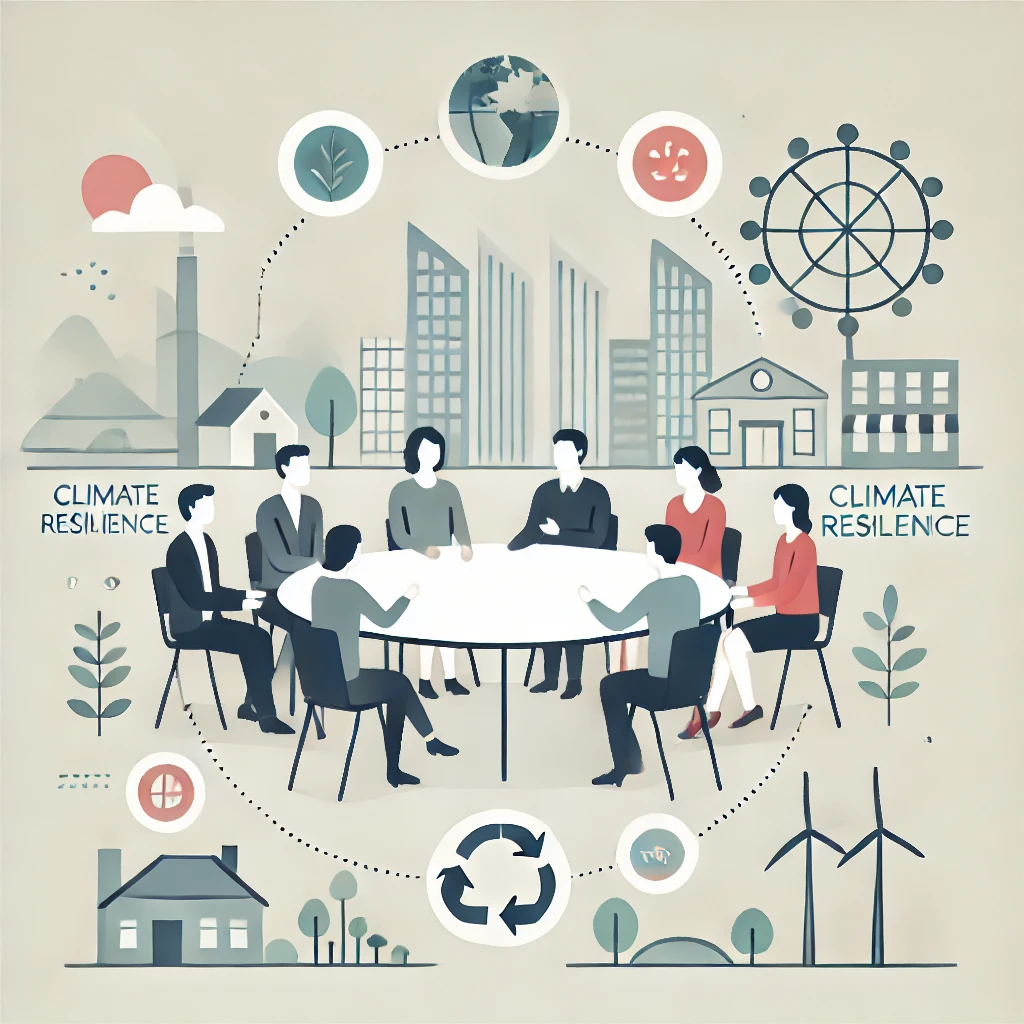
If we talk about social innovations, we talk about an innovation that addresses societal needs that have so far been neglected. We’re also talking about a practical solution to those needs or problems. But in addition, beyond the practical solution, to also have an idea of a wider societal change that comes along with that. And social innovations also aim to create benefit for the target audience they have, and others affected by it. They are often driven by heterogeneous stakeholders who cooperate. MULTICLIMACT focuses on making the built environment fit for the changing of climate conditions and more extreme weather events. If we say that the role of the built environment is to shelter citizens rather than to drive vulnerability, this is clearly a societal need. In the demonstrators we see exactly that and experience the cooperation of many different stakeholders.
How did you integrate this approach into the structure of this European innovation project?
Dr. Victoria Blessing:
In general, there are two options: 1 Either you create new social innovations, which we have done in previous projects, or 2 you identify already existing social innovations. In MULTICLIMACT, we decided on the second option. This means that we looked at social innovations that already exist, but that could be beneficial for the project. Our primary aim was to increase the impact that the demonstrators have. We used a 4-step approach and started with a needs assessment. We first conducted a workshop with the demo partners to better understand what they needed with respect to social innovations, or what stakeholders to be included for the demonstrators to work effectively. Once we knew that, we started researching existing social innovations that might match the identified criteria, made a preselection, and then went back to the demonstrators for them to select the relevant ones. Of course, we have a feeling for what could be of interest, but in the end, it needs to fit to what makes sense for the demonstrators. In the final step, we suggested ideas for the adaptation of the selected social innovations in the concrete demonstrators.
You said that you researched for existing social innovations from different areas. Could you give an example from which areas these innovations come from?
Dr. Victoria Blessing:
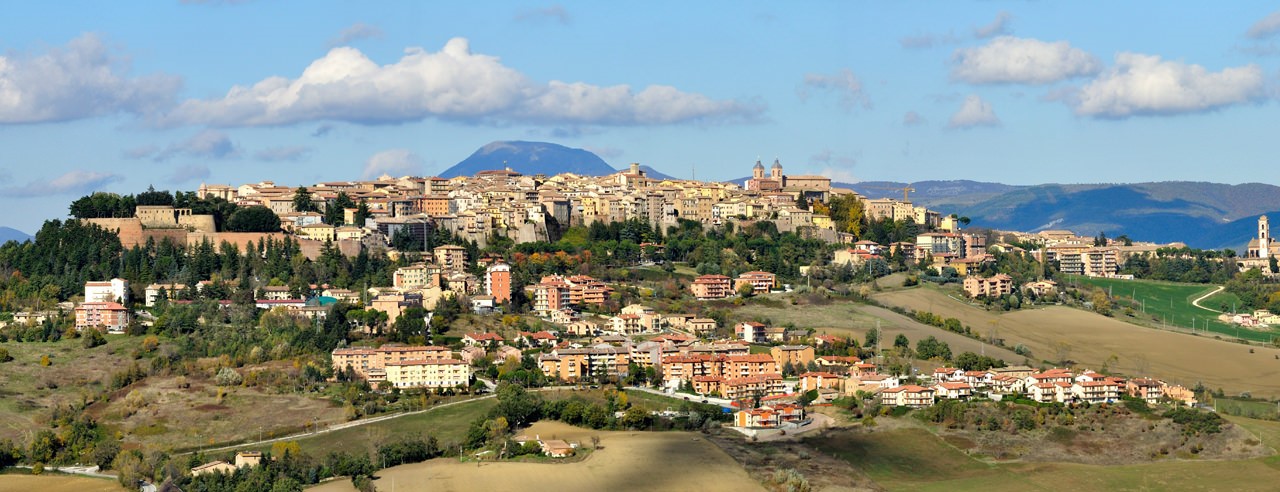
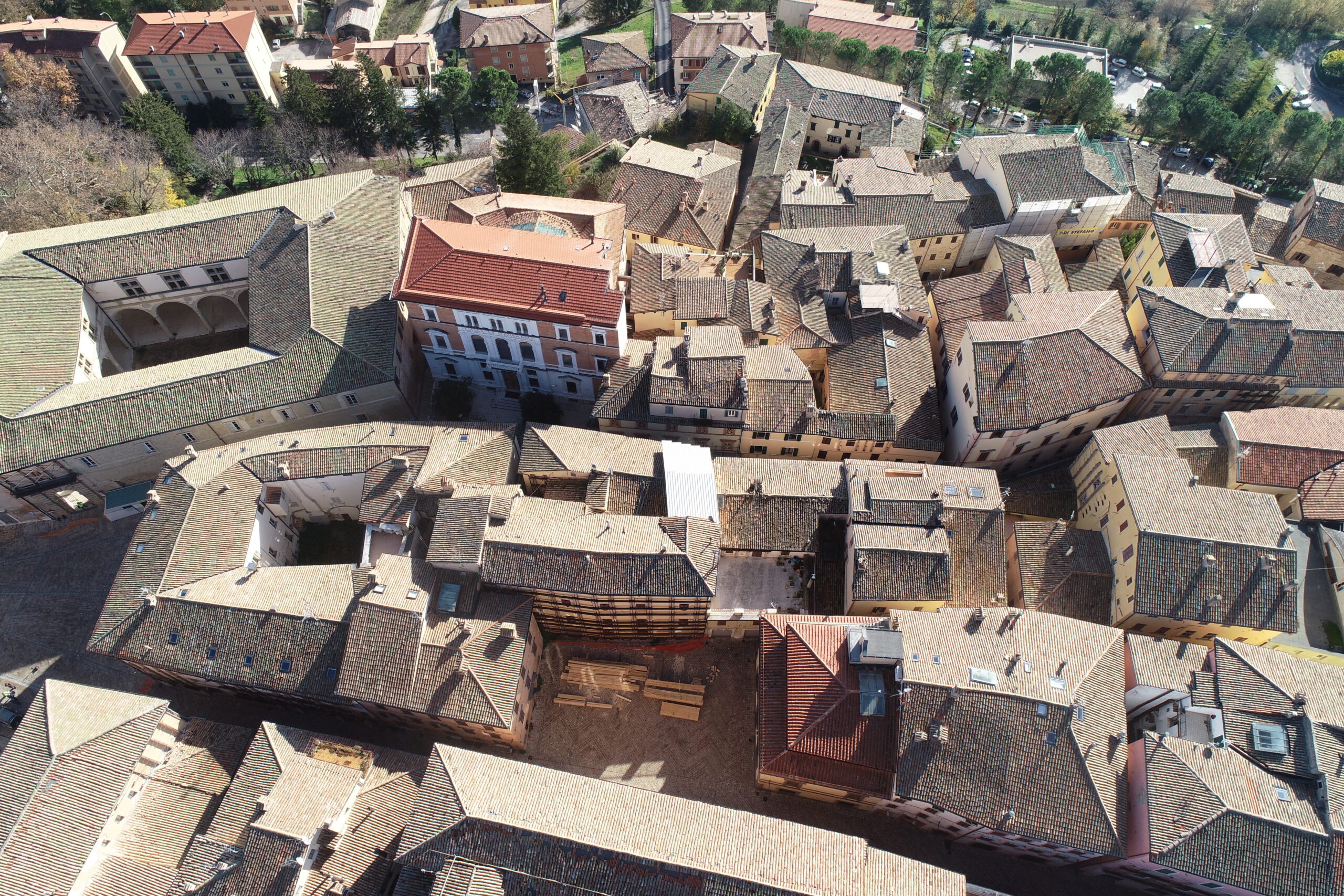
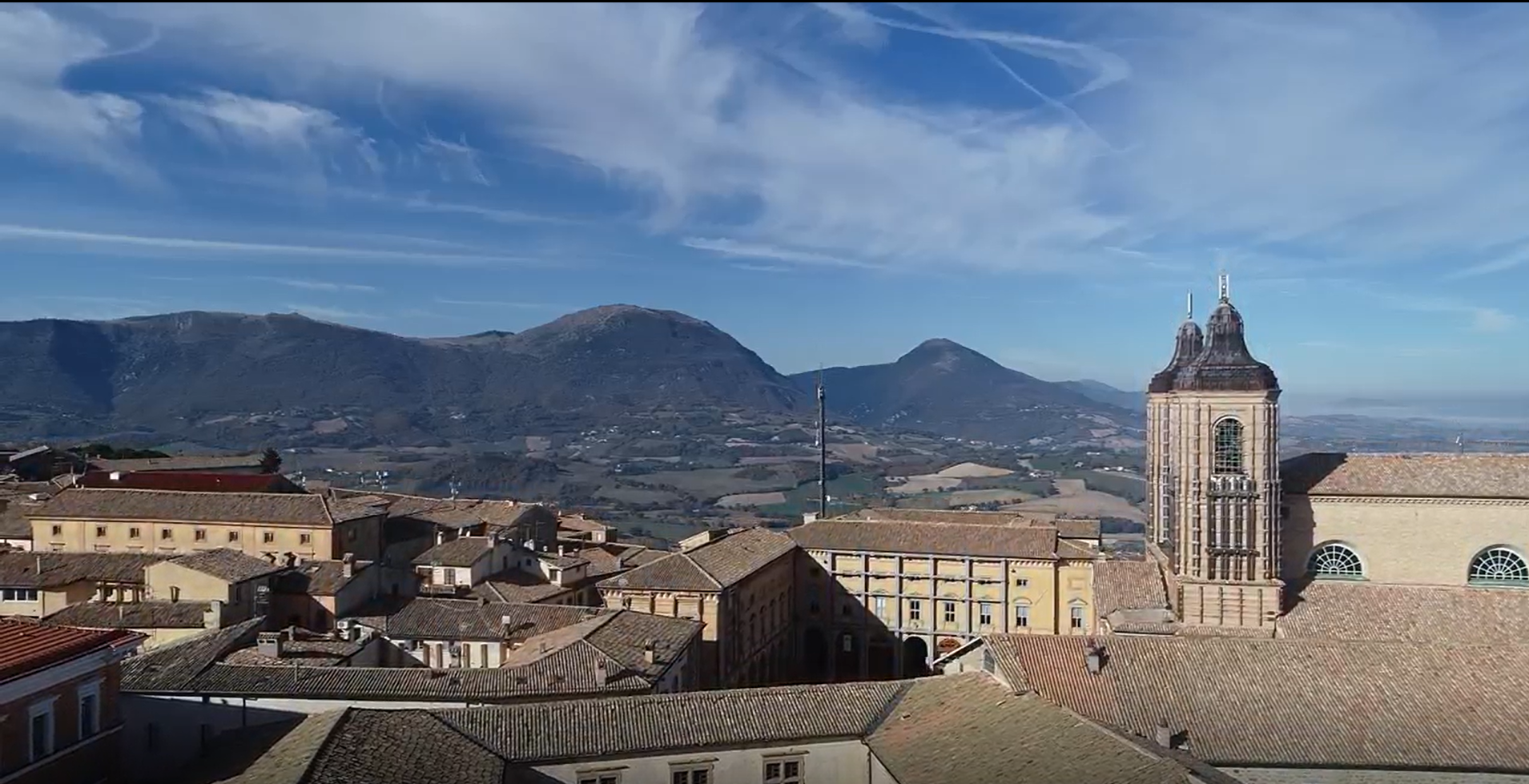
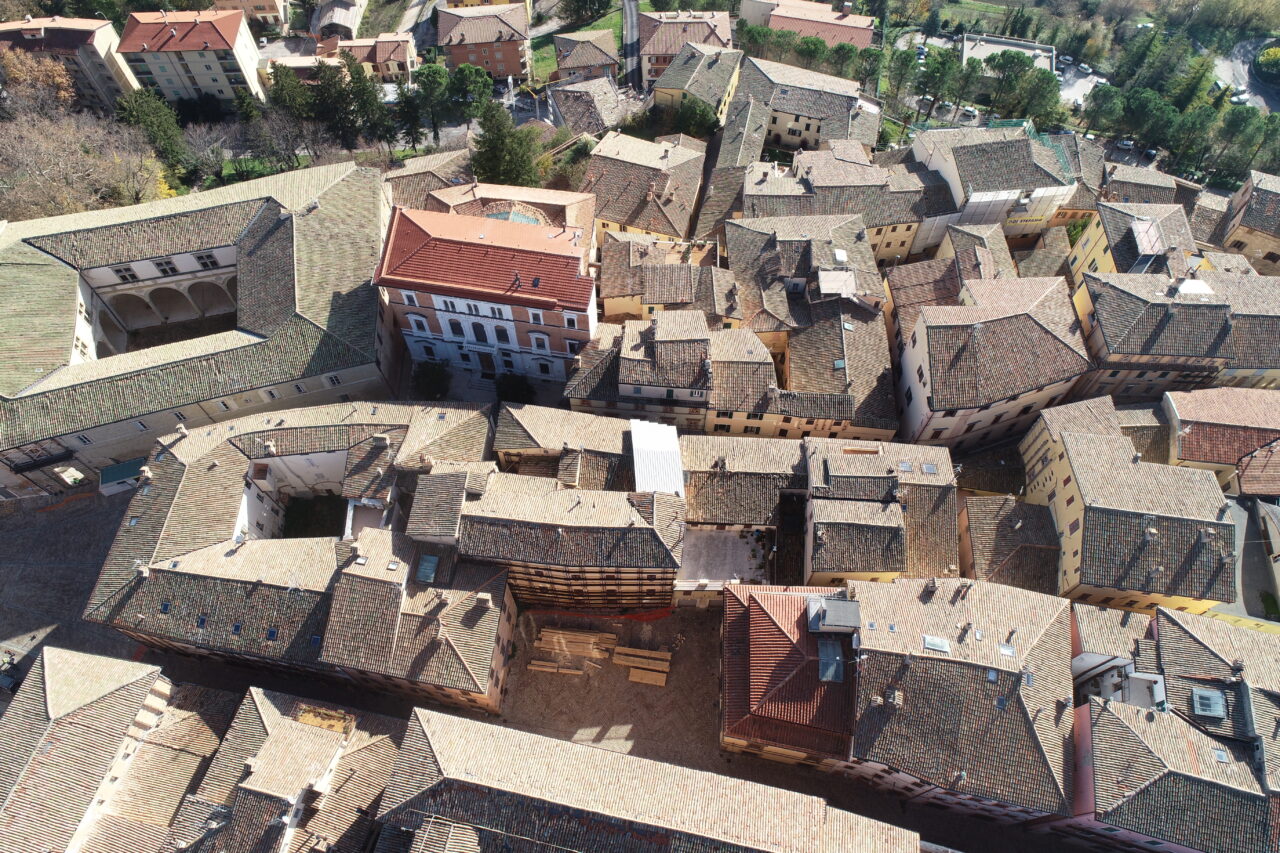
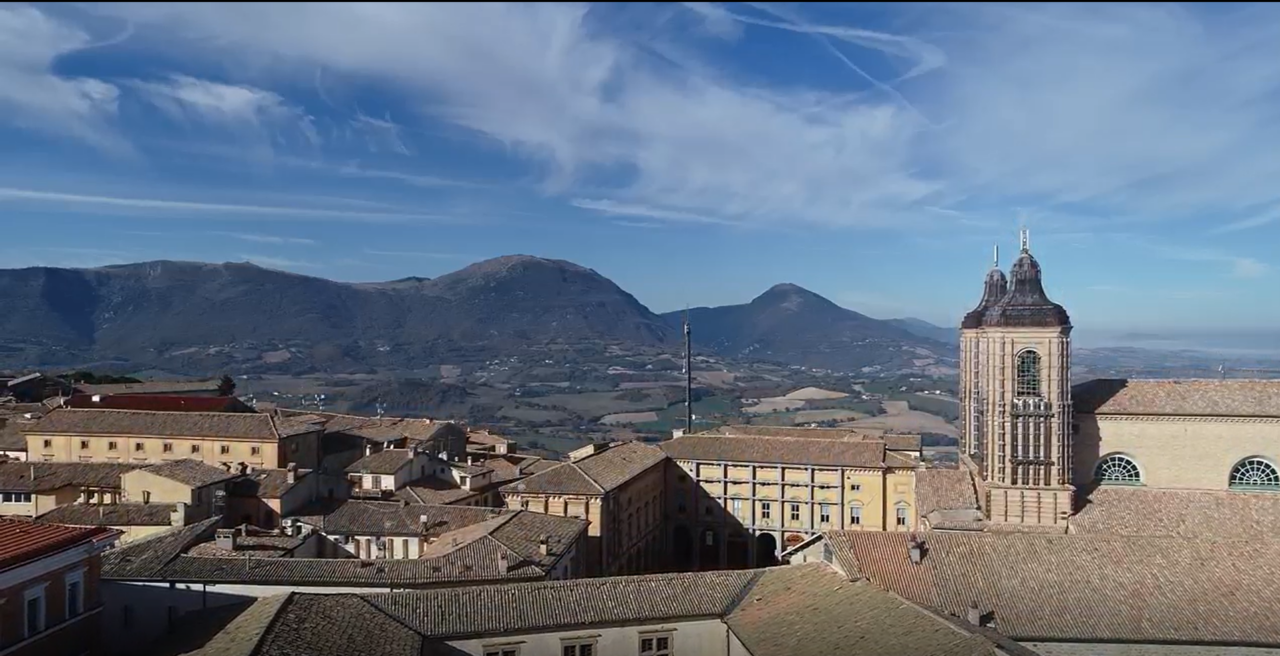
There were two categories of social innovations. Some social innovations were specific to the demonstrator. For example, if you look at the Camerino demonstrator, a central topic for them is earthquakes. So, we looked for social innovations that had something to do with disaster awareness. Other social innovations were more generally about rooting a demonstrator in the community, and about including heterogeneous stakeholders. These were the social innovations that were relevant for more than one demonstrator.
What was your experience in applying this approach with the MULTICLIMACT demonstrators?
Dr. Victoria Blessing:
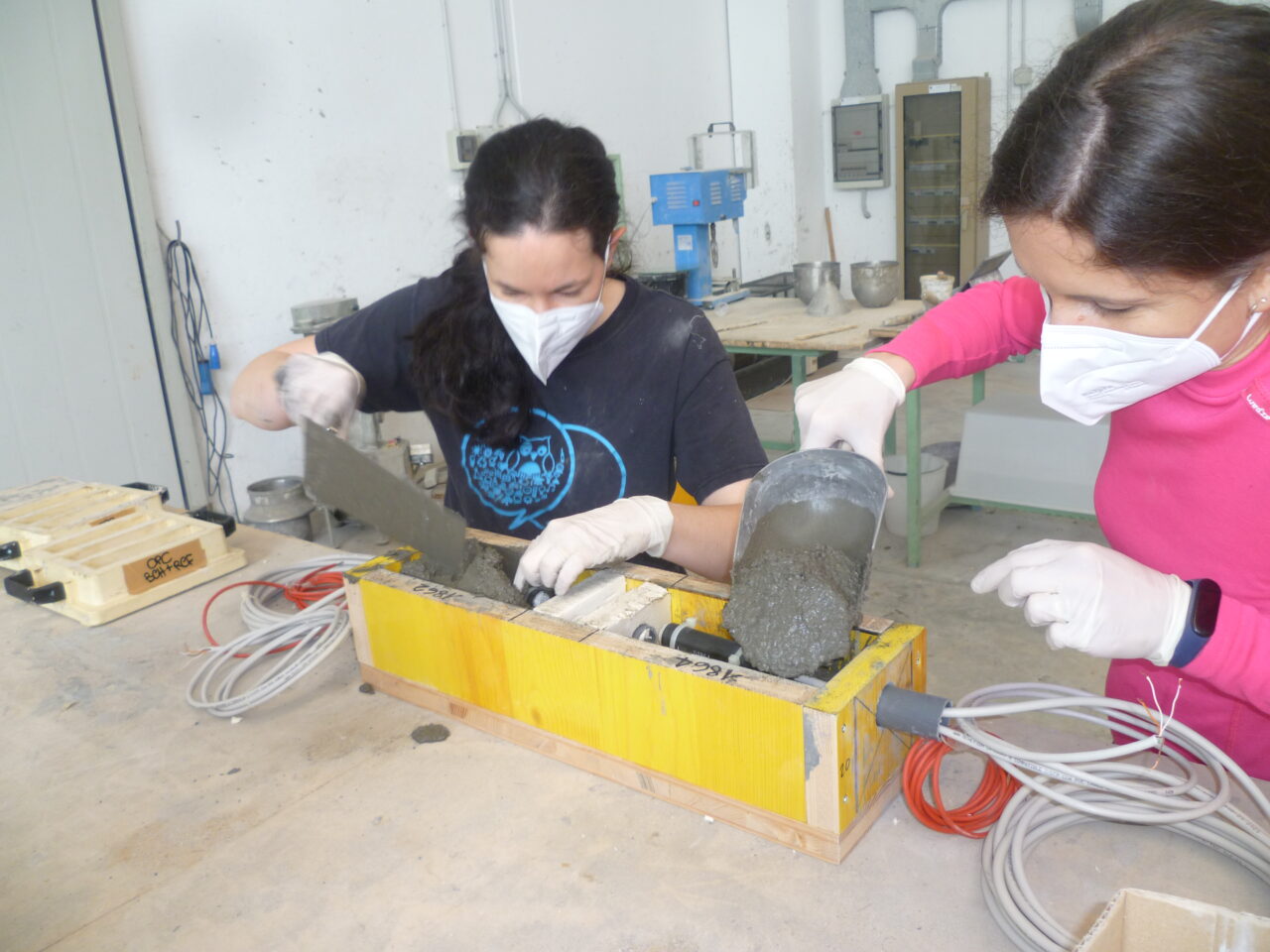
First, I have to say that all partners were very open to speak to us. Also, having this stepwise approach worked well and to build upon the needs of the demonstrators was key. We noticed that there was a difference in how many social innovations we could find per demonstrator. The less stakeholders were needed for a demonstrator to work well, the harder it was to find a social innovation that could add value. To give you a specific example: The demonstrator in the Netherlands includes fibreoptic cables in a dyke. In this case, we could not contribute much because the installation and maintenance are purely in the hands of the Technical University of Deft, so no obvious need for involving other stakeholders. But during our discussions we learned that there are volunteers who inspect the dykes and that tracking animal activity around dykes is relevant. So eventually, we did spot options for relevant social innovations.
Could you speak a bit more on the concrete examples that you identified, and that the demo partners wanted to explore further?
Dr. Victoria Blessing:
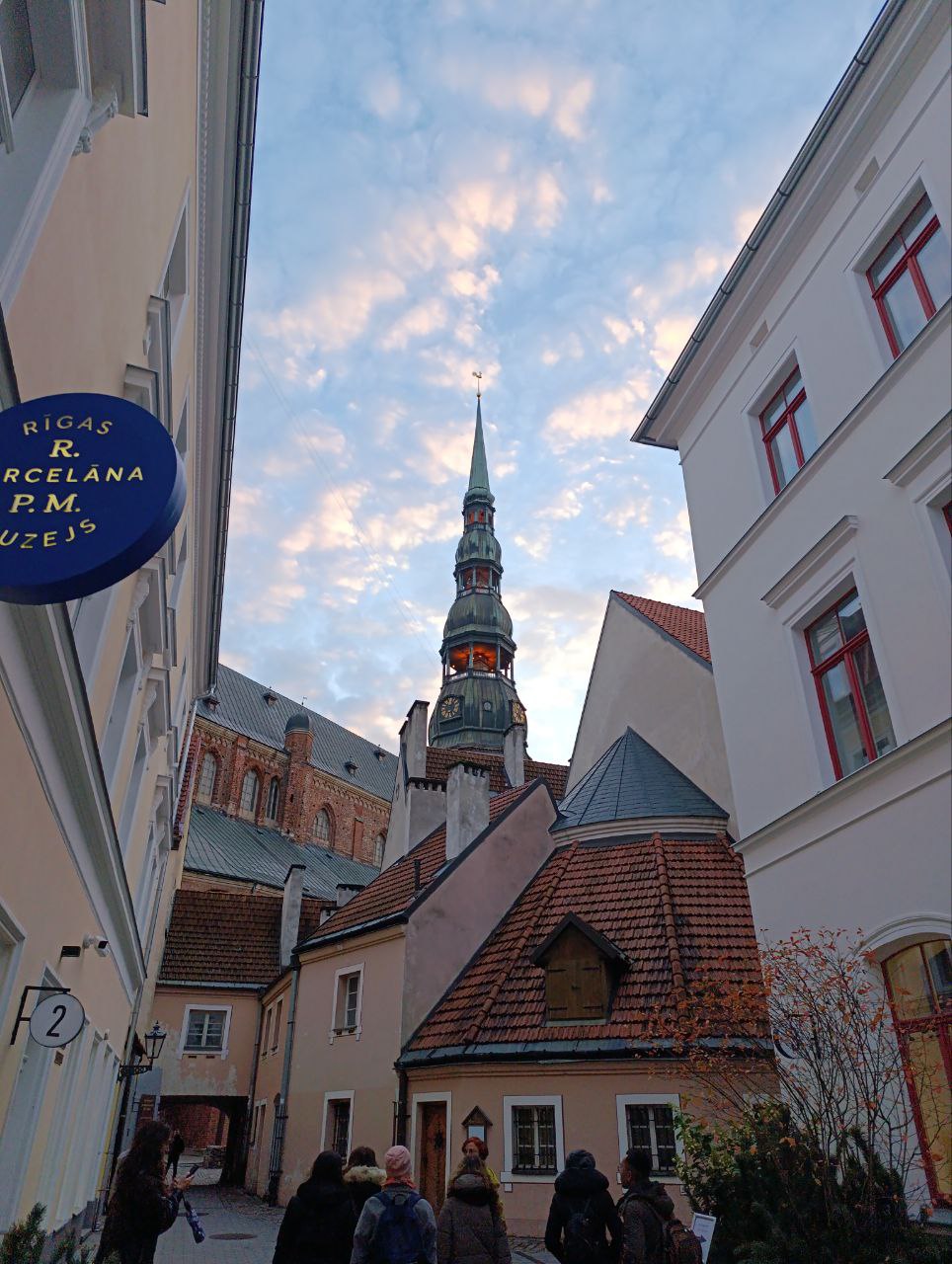
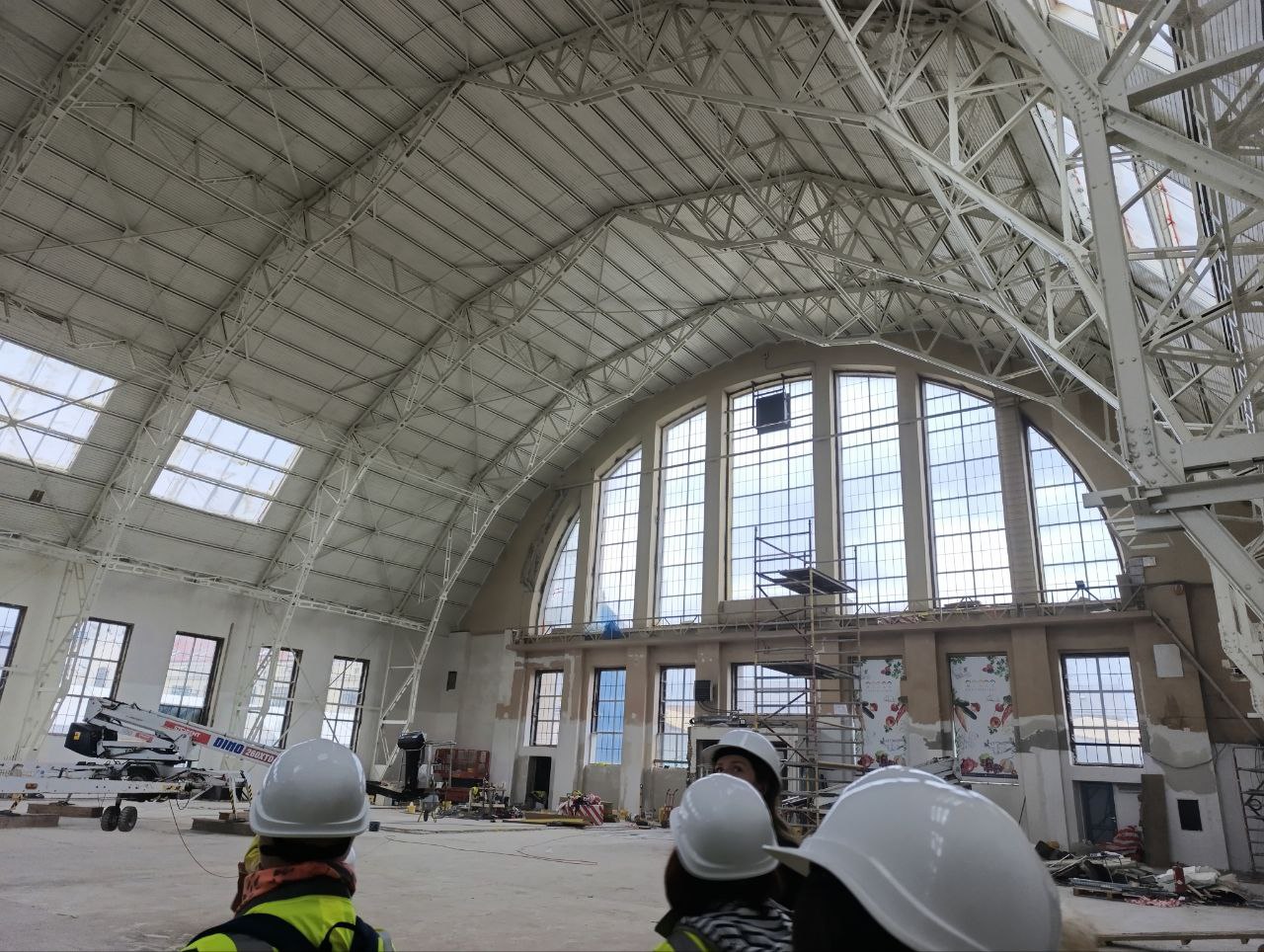
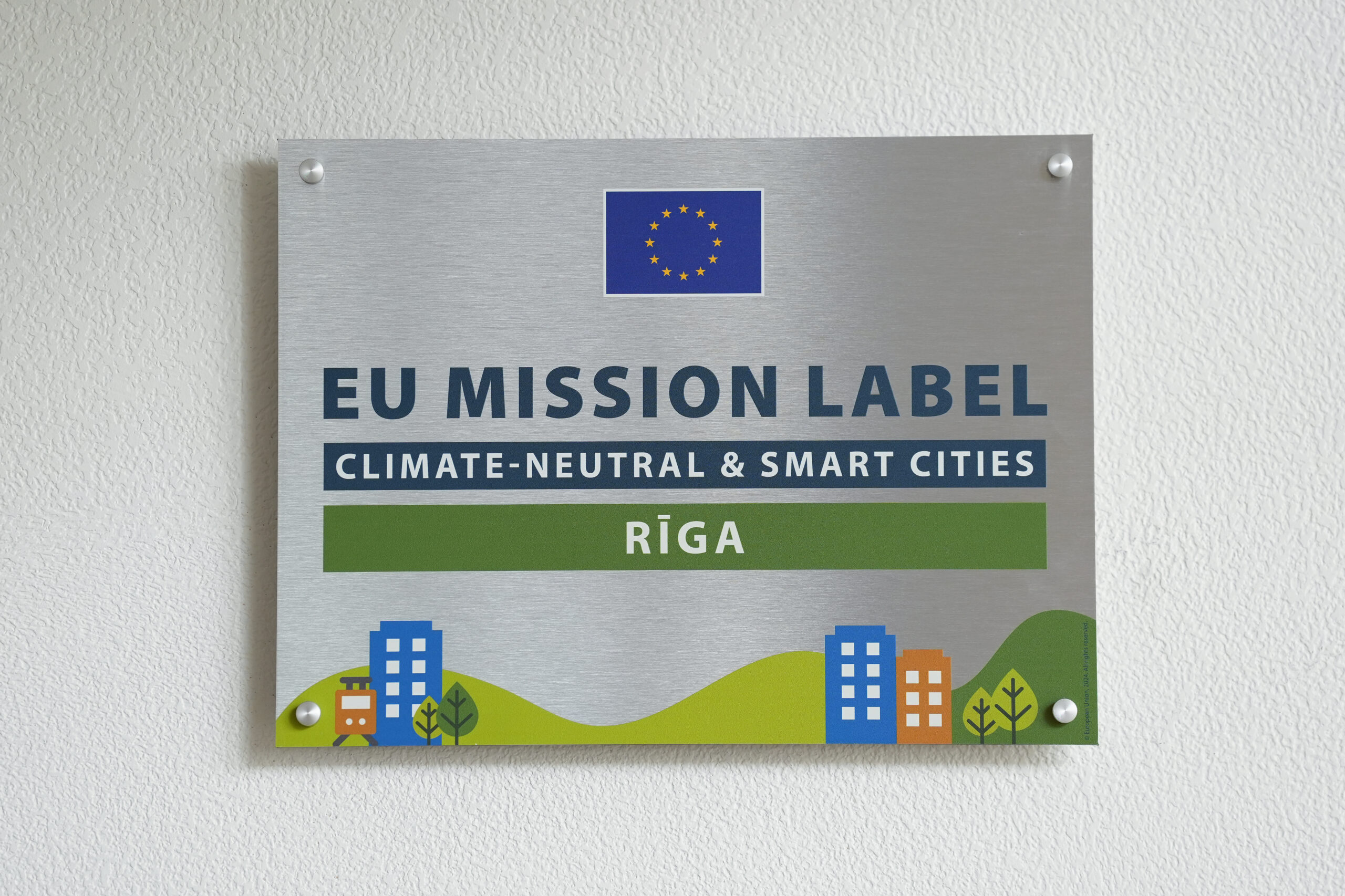
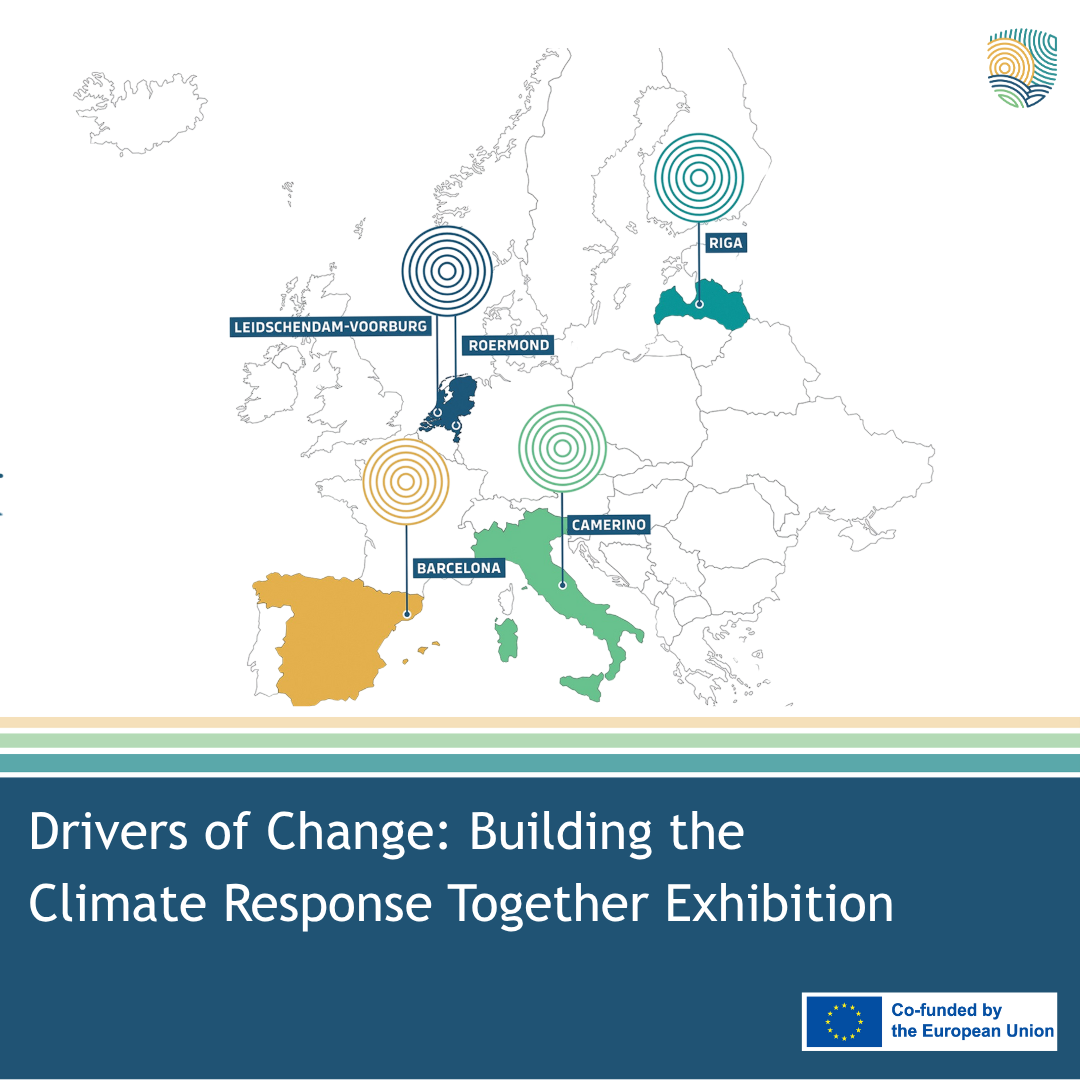
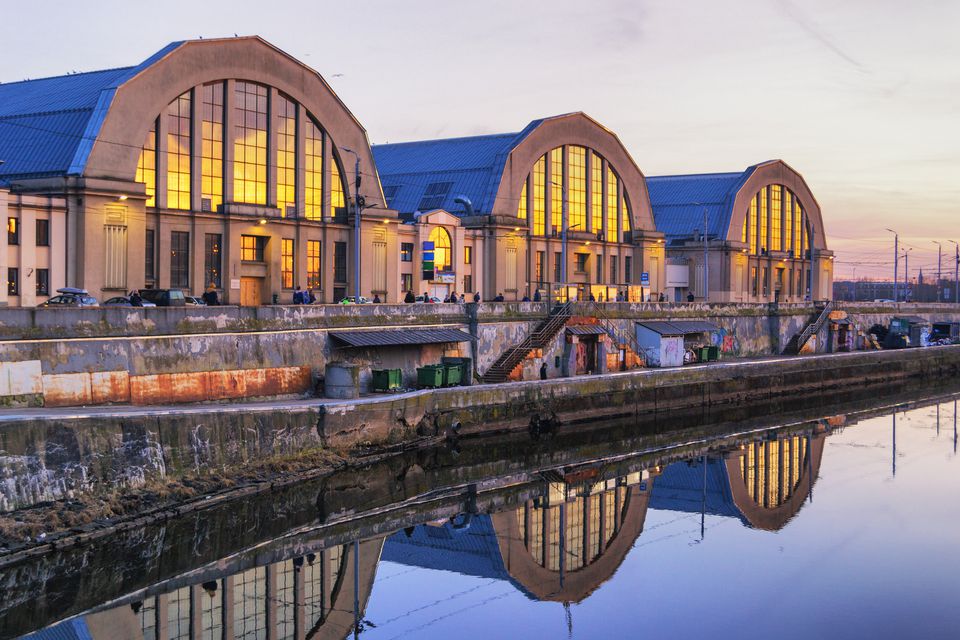
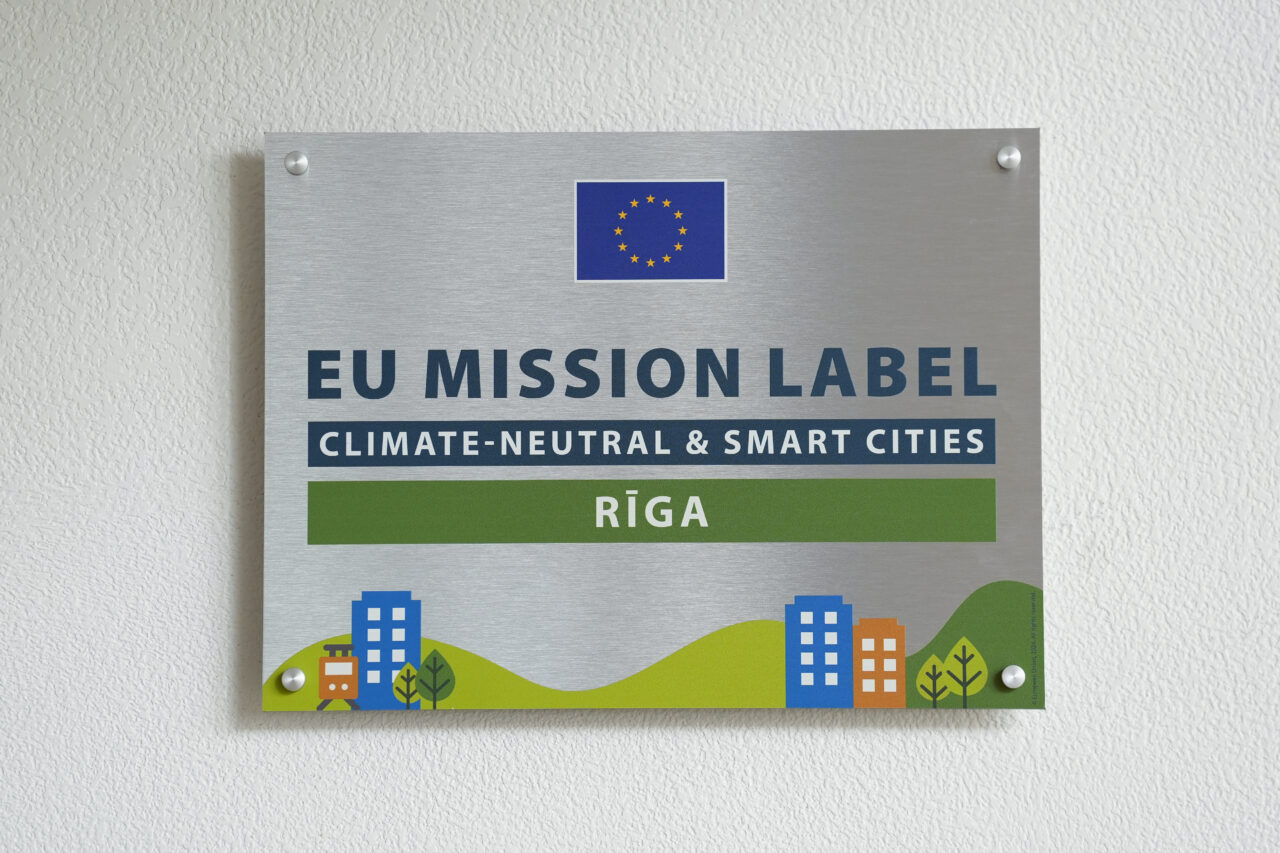
The Riga demonstrator consists of a market pavilion which is being renovated and complemented by an innovative low-temperature heating and cooling solution. The Riga Central Market lies in the heart of the city’s Old Town, the UNESCO Heritage Site: Citizens identify with the space and tourists are attracted to it, it is a socially relevant spot. Here, our idea was a resident-led housing cooperative called the Torteltuin which had an alternative governance model of including residents. This is interesting for Riga Central Market because the vendors there are in some ways comparable to residents because they’re the ones that pay rent for their stalls. At the moment, the market authority runs the market with a board, and the vendors have very little say in how the market is managed. The alternative governance model of the housing cooperative can be an interesting reference of how to include the vendors in important decisions. This is basically a social innovation from a different context that offers interesting aspects to be adapted to our new context, namely, how to run the concrete pavilion of Riga Central Market. Another example: We showed the Riga team a social innovation called Go Vocal, which is an online participation platform for citizens. In Riga, such a platform already exists, it’s called My Voice, but it has not been used yet in the context of the central market. This is an example of how we jointly identified a new application for an existing social innovation. Sparking such creativity and imagination is an important part of our work.
Have you addressed with the local partners the continuity of your initiatives beyond the project lifetime?
Dr. Victoria Blessing:
It’s at first about putting them into practice. For the social innovations that already exist locally and only need to be applied to the demo, it will be easier than for ones, that are completely new to the context. The implementation lies in the hand of the local demo partners, but the most important task we have as facilitators of this process, is to ensure that what we suggest has relevance. As I mentioned, assessing the needs of the demo partners is the first thing we do. This is how we ensure that our propositions complement and add value to the demos.The same applies to our suggestions for implementation: The clearer the benefit of the social innovation is, the higher the probability for them to remain in place.
What kind of advice can you give to others who want to build upon your learnings and address social innovations in their work?
Dr. Victoria Blessing:
To begin with, if you have a societal challenge, may it be relating to climate change, food security or community buildings, and ideally several types of stakeholders involved, you can replicate this approach. My central advice would be to take time when speaking to the demo partners. Take your time to really understand the surroundings and their pain points because the social innovations you’ll propose should inspire them. What do I mean with that: We’ve had several instances where we proposed a potential application of a social innovation in a demonstrator. Based on our proposition, the demonstrator partners then had a very creative, but different idea of how such an approach could work, going beyond what we had thought of ourselves. For instance, we had initially suggested the iNaturalist app to be adapted for voluntary citizen inspectors to collect data on the integrity of Dutch dykes. In addition to this potential adaption, the local partner from TU Delft felt that the original use of the app of tracking animal activity around the dykes could also be of high value. The reason is that foxes or hares might like digging in dykes which makes them unstable and causes dykes to break down. If you know where there is such animal activity, you can specifically check the closeby dykes. However, for sparking such ideas among the local partners, you need to plan sufficient time for discussion and reflection. In conclusion: Come well prepared but stay open to learn from your partners.
Thank you for your insights, Victoria!
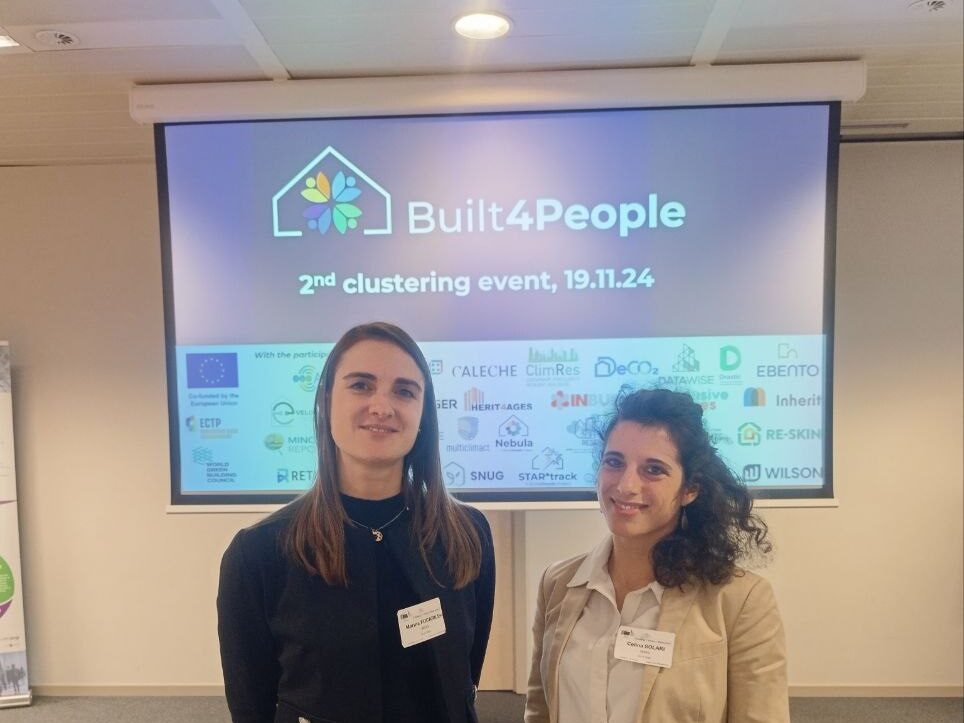
This interview was conducted by Lucia Hörner, Project Manager at Steinbeis Europa Zentrum, and Elina Schock, Project Consultant at Steinbeis Europa Zentrum. Steinbeis Europa Zentrum is responsible for dissemination, communication and exploitation activities in MULTICLIMACT.
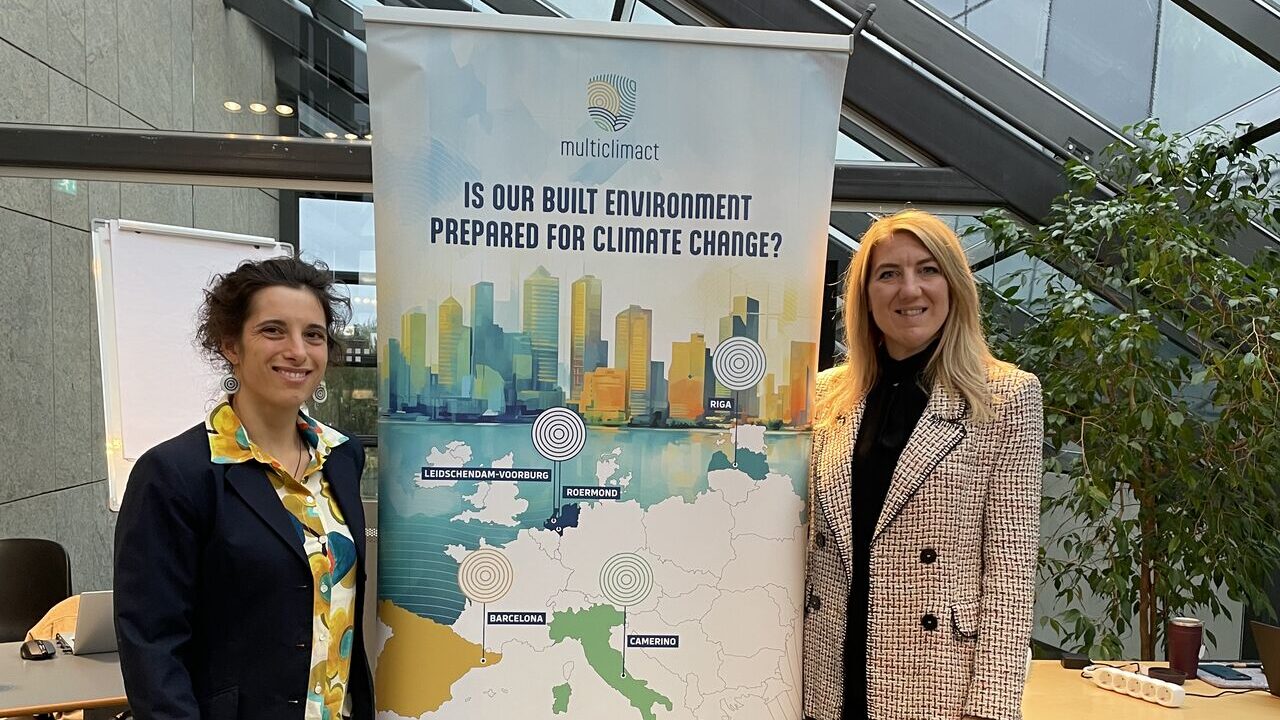
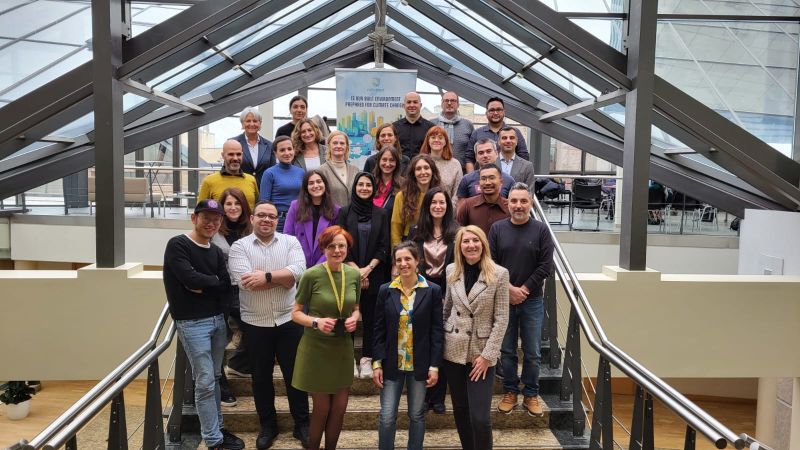
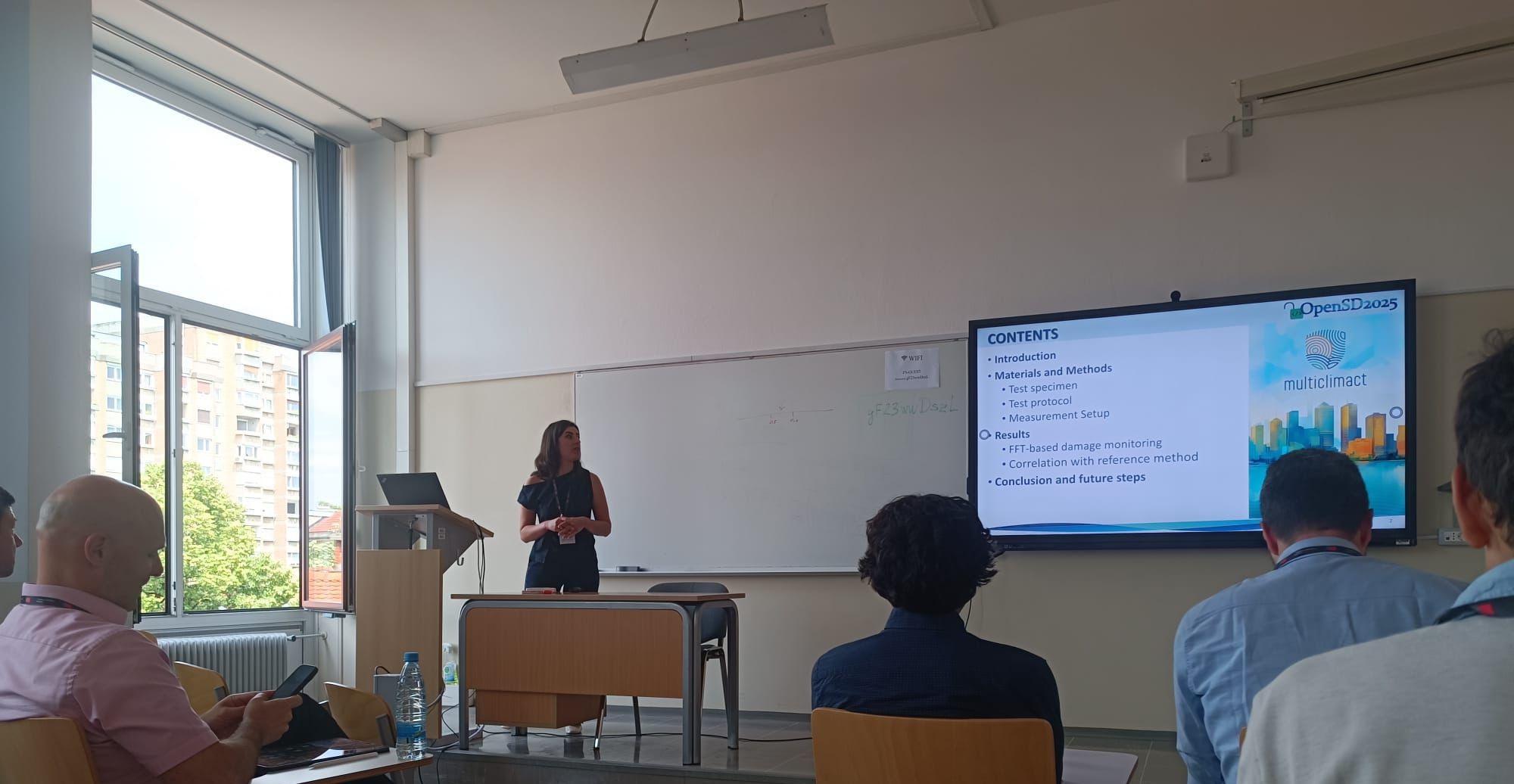
Picture copyright: Siora Keller, Steinbeis Europa Zentrum
About MULTICLIMACT:
MULTICLIMACT is an EU-funded project aimed at safeguarding Europe’s built environment against the increasing threats of natural and climatic hazards. By uniting 25 leading European organisations, MULTICLIMACT aims to enhance resilience, sustainability, and safety for communities across the continent. Through innovative strategies, including a toolkit of 20 reliable methods and digital solutions, the project targets the urgent need for adaptive measures against floods, earthquakes, extreme weather conditions and heatwaves. Tested across four pilot sites with diverse climatic conditions, MULTICLIMACT embodies a shared vision for a safer, more resilient future, focusing on actions to reduce the impact of climate change on the built environment. For more information, please visit www.multiclimact.eu.
_topic_
_question_
The interview with Dr. Victoria Blessing from Steinbeis Europa Zentrum explains the importance of social innovations for adapting the built environment to climate change, describes the integration of existing social innovations into the MULTICLIMACT project using a four-stage process and provides examples from various demonstrators, with a focus on the involvement of diverse stakeholders and sustainable implementation, as well as offering practical advice on applying this approach in similar contexts.
Victoria, you have worked on social innovations for many years and are now leading this work in MULTICLIMACT. Why are social innovations relevant when we speak about climate adaptation in the built environment?
Dr. Victoria Blessing:
If we talk about social innovations, we talk about an innovation that addresses societal needs that have so far been neglected. We’re also talking about a practical solution to those needs or problems. But in addition, beyond the practical solution, to also have an idea of a wider societal change that comes along with that. And social innovations also aim to create benefit for the target audience they have, and others affected by it. They are often driven by heterogeneous stakeholders who cooperate. MULTICLIMACT focuses on making the built environment fit for the changing of climate conditions and more extreme weather events. If we say that the role of the built environment is to shelter citizens rather than to drive vulnerability, this is clearly a societal need. In the demonstrators we see exactly that and experience the cooperation of many different stakeholders.
How did you integrate this approach into the structure of this European innovation project?
Dr. Victoria Blessing:
In general, there are two options: 1 Either you create new social innovations, which we have done in previous projects, or 2 you identify already existing social innovations. In MULTICLIMACT, we decided on the second option. This means that we looked at social innovations that already exist, but that could be beneficial for the project. Our primary aim was to increase the impact that the demonstrators have. We used a 4-step approach and started with a needs assessment. We first conducted a workshop with the demo partners to better understand what they needed with respect to social innovations, or what stakeholders to be included for the demonstrators to work effectively. Once we knew that, we started researching existing social innovations that might match the identified criteria, made a preselection, and then went back to the demonstrators for them to select the relevant ones. Of course, we have a feeling for what could be of interest, but in the end, it needs to fit to what makes sense for the demonstrators. In the final step, we suggested ideas for the adaptation of the selected social innovations in the concrete demonstrators.
You said that you researched for existing social innovations from different areas. Could you give an example from which areas these innovations come from?
Dr. Victoria Blessing:
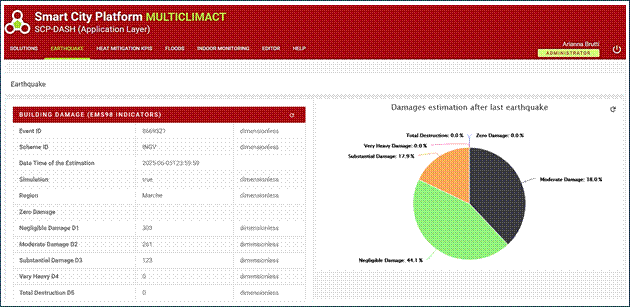
There were two categories of social innovations. Some social innovations were specific to the demonstrator. For example, if you look at the Camerino demonstrator, a central topic for them is earthquakes. So, we looked for social innovations that had something to do with disaster awareness. Other social innovations were more generally about rooting a demonstrator in the community, and about including heterogeneous stakeholders. These were the social innovations that were relevant for more than one demonstrator.
What was your experience in applying this approach with the MULTICLIMACT demonstrators?
Dr. Victoria Blessing:
First, I have to say that all partners were very open to speak to us. Also, having this stepwise approach worked well and to build upon the needs of the demonstrators was key. We noticed that there was a difference in how many social innovations we could find per demonstrator. The less stakeholders were needed for a demonstrator to work well, the harder it was to find a social innovation that could add value. To give you a specific example: The demonstrator in the Netherlands includes fibreoptic cables in a dyke. In this case, we could not contribute much because the installation and maintenance are purely in the hands of the Technical University of Deft, so no obvious need for involving other stakeholders. But during our discussions we learned that there are volunteers who inspect the dykes and that tracking animal activity around dykes is relevant. So eventually, we did spot options for relevant social innovations.
Could you speak a bit more on the concrete examples that you identified, and that the demo partners wanted to explore further?
Dr. Victoria Blessing:
The Riga demonstrator consists of a market pavilion which is being renovated and complemented by an innovative low-temperature heating and cooling solution. The Riga Central Market lies in the heart of the city’s Old Town, the UNESCO Heritage Site: Citizens identify with the space and tourists are attracted to it, it is a socially relevant spot. Here, our idea was a resident-led housing cooperative called the Torteltuin which had an alternative governance model of including residents. This is interesting for Riga Central Market because the vendors there are in some ways comparable to residents because they’re the ones that pay rent for their stalls. At the moment, the market authority runs the market with a board, and the vendors have very little say in how the market is managed. The alternative governance model of the housing cooperative can be an interesting reference of how to include the vendors in important decisions. This is basically a social innovation from a different context that offers interesting aspects to be adapted to our new context, namely, how to run the concrete pavilion of Riga Central Market. Another example: We showed the Riga team a social innovation called Go Vocal, which is an online participation platform for citizens. In Riga, such a platform already exists, it’s called My Voice, but it has not been used yet in the context of the central market. This is an example of how we jointly identified a new application for an existing social innovation. Sparking such creativity and imagination is an important part of our work.
Have you addressed with the local partners the continuity of your initiatives beyond the project lifetime?
Dr. Victoria Blessing:
It’s at first about putting them into practice. For the social innovations that already exist locally and only need to be applied to the demo, it will be easier than for ones, that are completely new to the context. The implementation lies in the hand of the local demo partners, but the most important task we have as facilitators of this process, is to ensure that what we suggest has relevance. As I mentioned, assessing the needs of the demo partners is the first thing we do. This is how we ensure that our propositions complement and add value to the demos.The same applies to our suggestions for implementation: The clearer the benefit of the social innovation is, the higher the probability for them to remain in place.
What kind of advice can you give to others who want to build upon your learnings and address social innovations in their work?
Dr. Victoria Blessing:
To begin with, if you have a societal challenge, may it be relating to climate change, food security or community buildings, and ideally several types of stakeholders involved, you can replicate this approach. My central advice would be to take time when speaking to the demo partners. Take your time to really understand the surroundings and their pain points because the social innovations you’ll propose should inspire them. What do I mean with that: We’ve had several instances where we proposed a potential application of a social innovation in a demonstrator. Based on our proposition, the demonstrator partners then had a very creative, but different idea of how such an approach could work, going beyond what we had thought of ourselves. For instance, we had initially suggested the iNaturalist app to be adapted for voluntary citizen inspectors to collect data on the integrity of Dutch dykes. In addition to this potential adaption, the local partner from TU Delft felt that the original use of the app of tracking animal activity around the dykes could also be of high value. The reason is that foxes or hares might like digging in dykes which makes them unstable and causes dykes to break down. If you know where there is such animal activity, you can specifically check the closeby dykes. However, for sparking such ideas among the local partners, you need to plan sufficient time for discussion and reflection. In conclusion: Come well prepared but stay open to learn from your partners.
Thank you for your insights, Victoria!
This interview was conducted by Lucia Hörner, Project Manager at Steinbeis Europa Zentrum, and Elina Schock, Project Consultant at Steinbeis Europa Zentrum. Steinbeis Europa Zentrum is responsible for dissemination, communication and exploitation activities in MULTICLIMACT.
Picture copyright: Siora Keller, Steinbeis Europa Zentrum
About MULTICLIMACT:
MULTICLIMACT is an EU-funded project aimed at safeguarding Europe’s built environment against the increasing threats of natural and climatic hazards. By uniting 25 leading European organisations, MULTICLIMACT aims to enhance resilience, sustainability, and safety for communities across the continent. Through innovative strategies, including a toolkit of 20 reliable methods and digital solutions, the project targets the urgent need for adaptive measures against floods, earthquakes, extreme weather conditions and heatwaves. Tested across four pilot sites with diverse climatic conditions, MULTICLIMACT embodies a shared vision for a safer, more resilient future, focusing on actions to reduce the impact of climate change on the built environment. For more information, please visit www.multiclimact.eu.